
Written by Ms. Shaira Jane S. Ongyod- UBHS Faculty
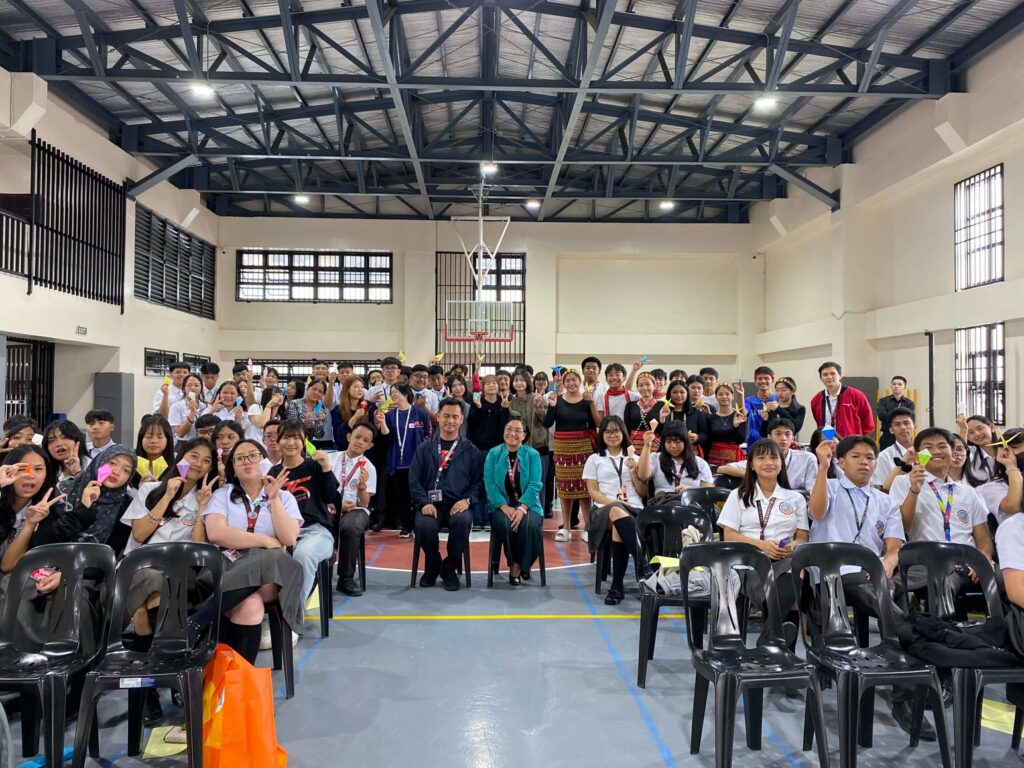
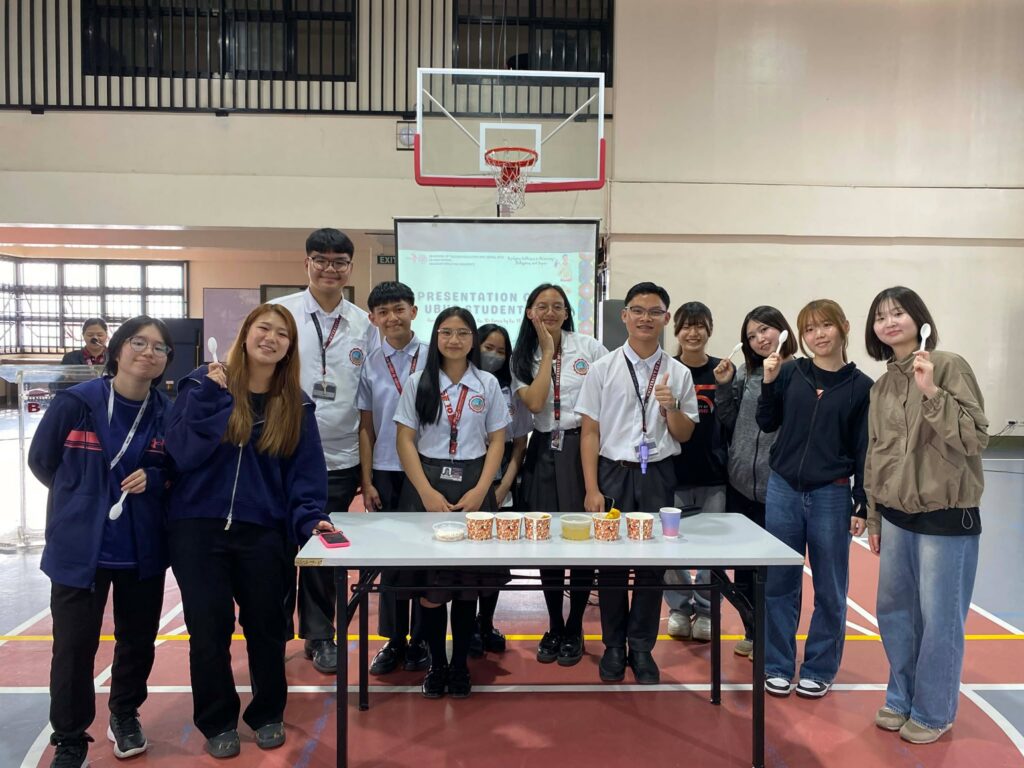
G.A.W.I.S. (Global Advocates for Weaving Indigenous Spirit) 3 marked a meaningful cultural immersion experience as the University of Baguio High School (UBHS) warmly welcomed six Japanese exchange students from Nagasaki Wesleyan University. Anchored on the theme “Bridging Cultures in Harmony: Philippines and Japan,” the program created a dynamic space where traditions were not only introduced but genuinely experienced through participation and interaction.
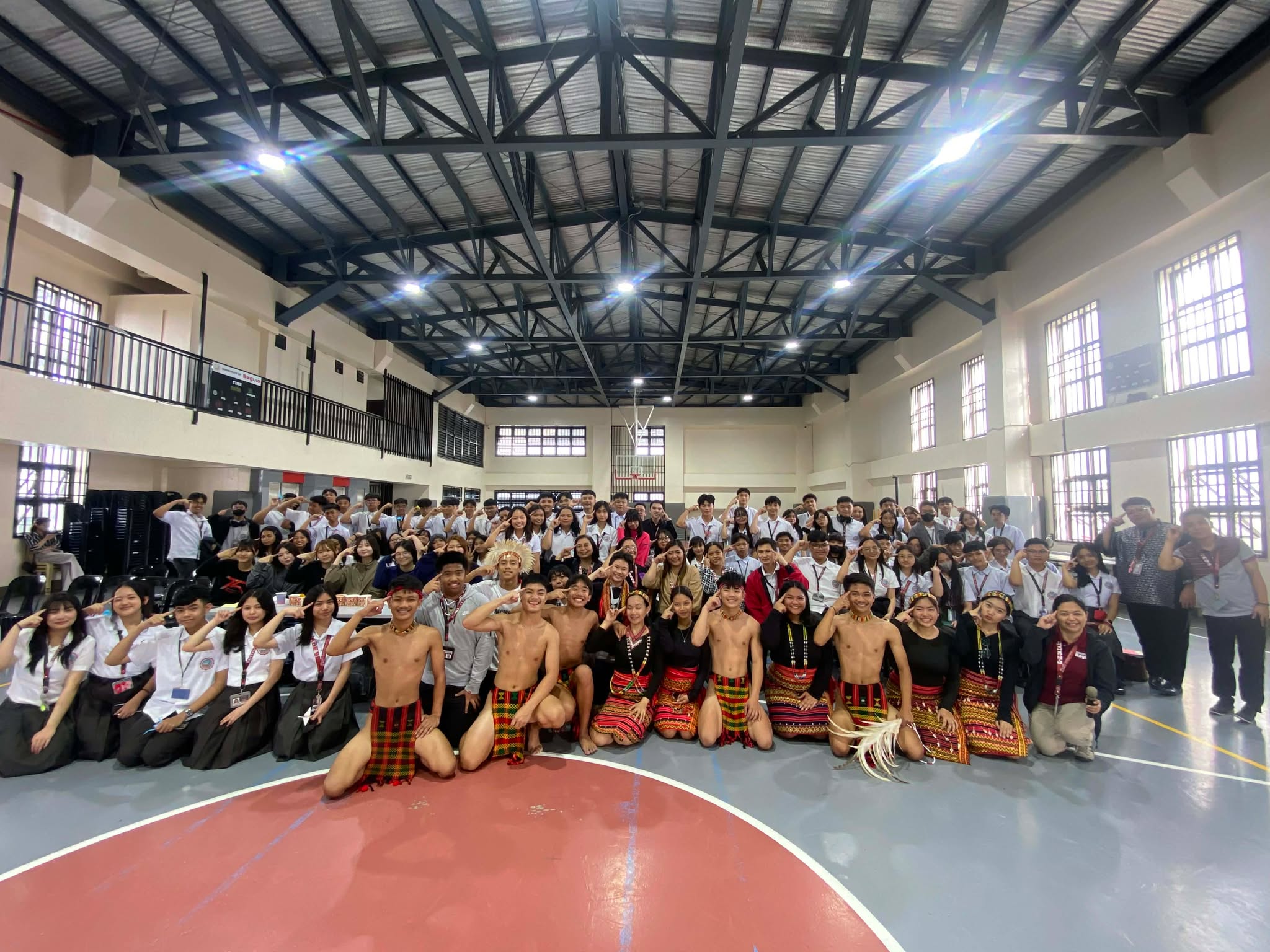
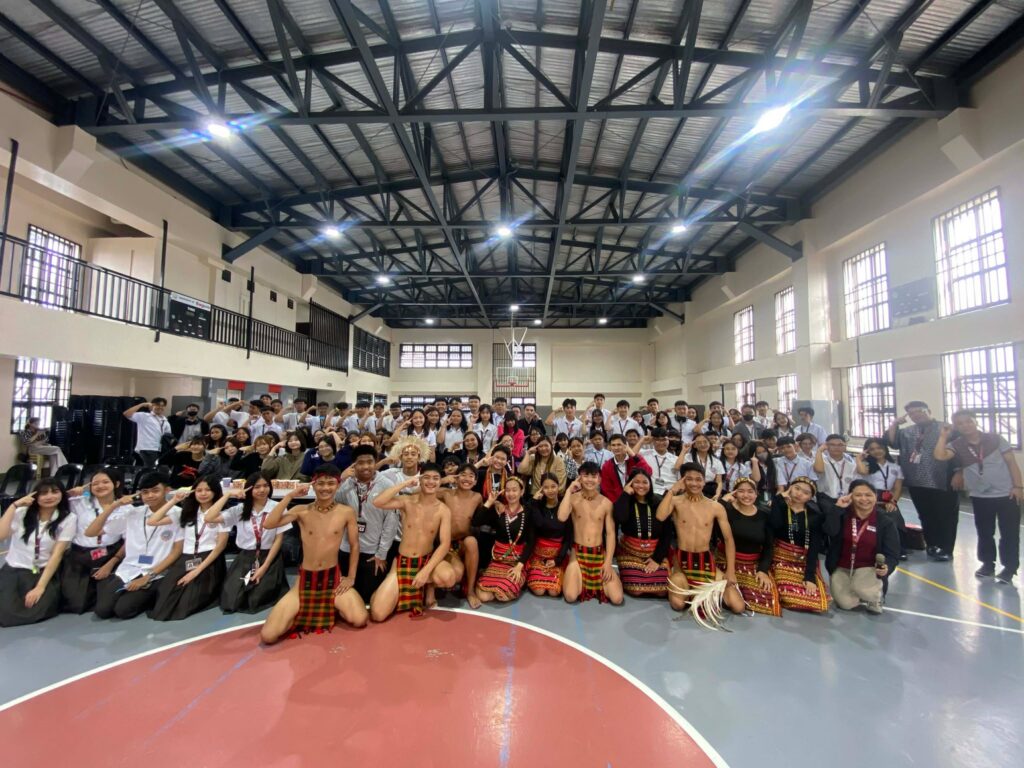
The activity gathered 92 students from Grades 9, 10, and 11, alongside faculty members and administrators, in a vibrant celebration of intercultural understanding. The program formally opened with inspiring remarks from Assistant Principal Ms. Jubilyn Kiing, who emphasized the value of global awareness while remaining deeply rooted in one’s own cultural identity. This initiative strongly aligns with United Nations Sustainable Development Goal (SDG) 4: Quality Education, which promotes inclusive and equitable education and encourages lifelong learning opportunities for all. By exposing students to international perspectives, the school enriched learning beyond the classroom.
Leadership and Institutional Commitment
The presence of Dr. Anthony Mangaliag, Dean of the School of Teacher Education and Liberal Arts, Principal Dr. Violeta F. Apiles, and Assistant Principals Ms. Jubilyn Kiing and Ms. Rowena Severo highlighted the institution’s strong commitment to global engagement. Teachers and staff of UBHS ensured the seamless flow of activities, demonstrating collaboration and shared responsibility.
The partnership between STELA, UBHS and Nagasaki Wesleyan University also reflects SDG 17: Partnerships for the Goals, which emphasizes strengthening global cooperation to achieve sustainable development. Through academic and cultural exchanges, both institutions contribute to building international understanding and solidarity.
Exploring Japanese Culture
The Japanese exchange students began the immersion by teaching basic Japanese greetings like “hello” or “Ohayō gozaimasu”, illustrating how language reflects respect and cultural values. UBHS students eagerly practiced the expressions, fostering interactive learning and mutual appreciation.
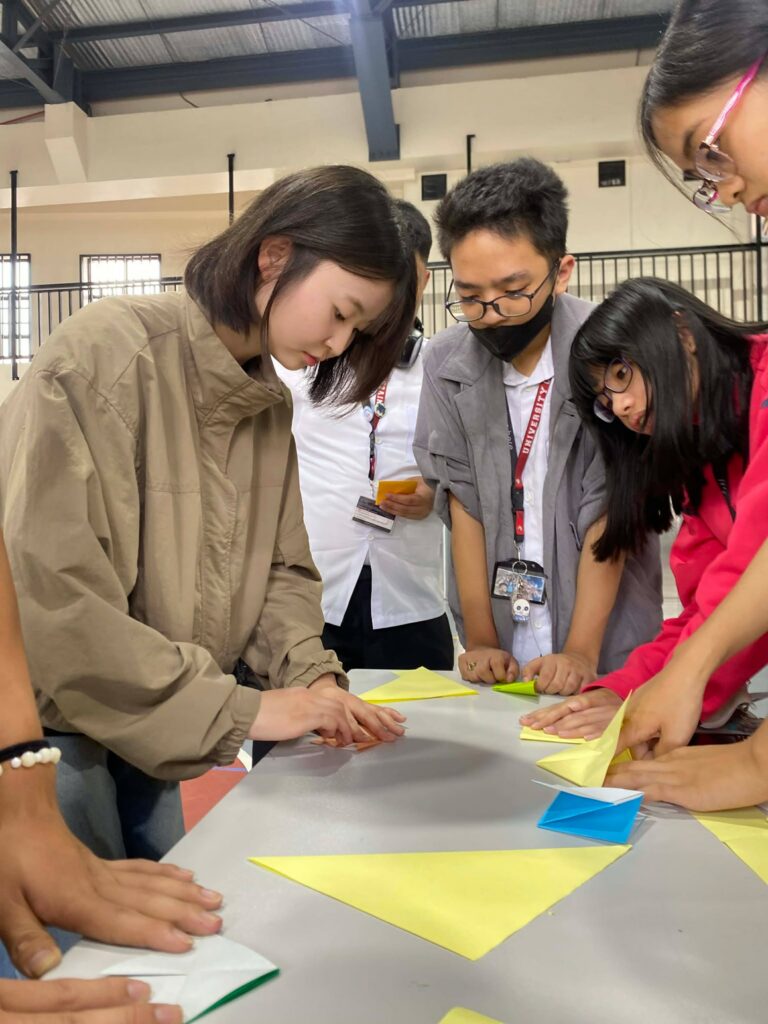
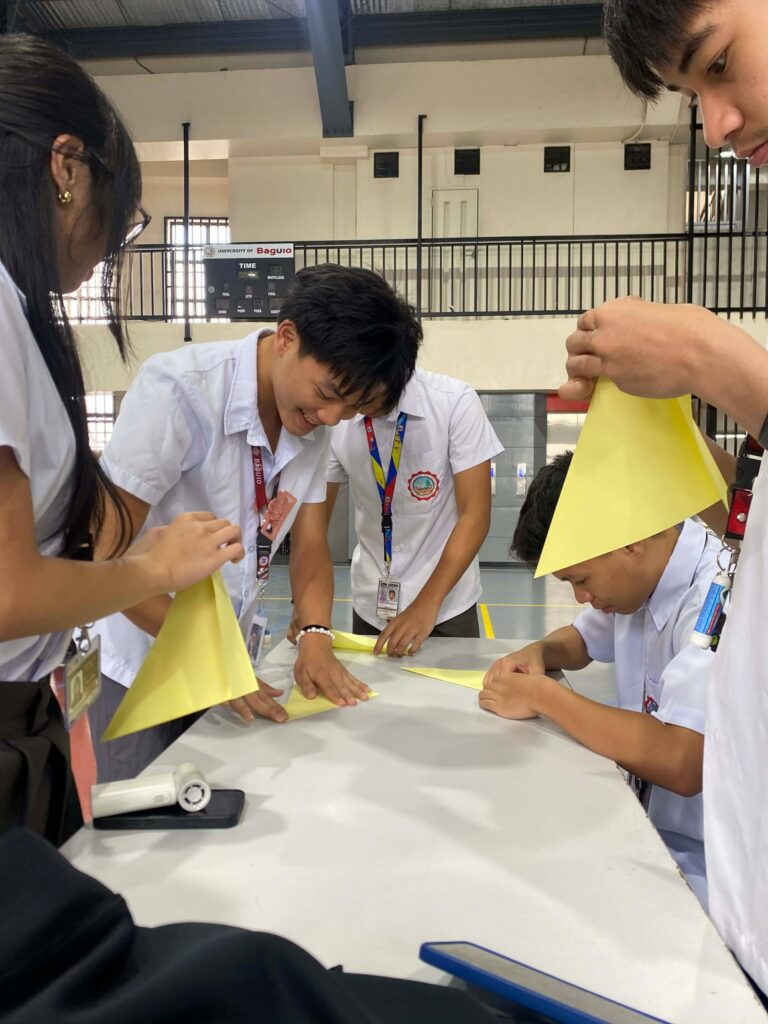
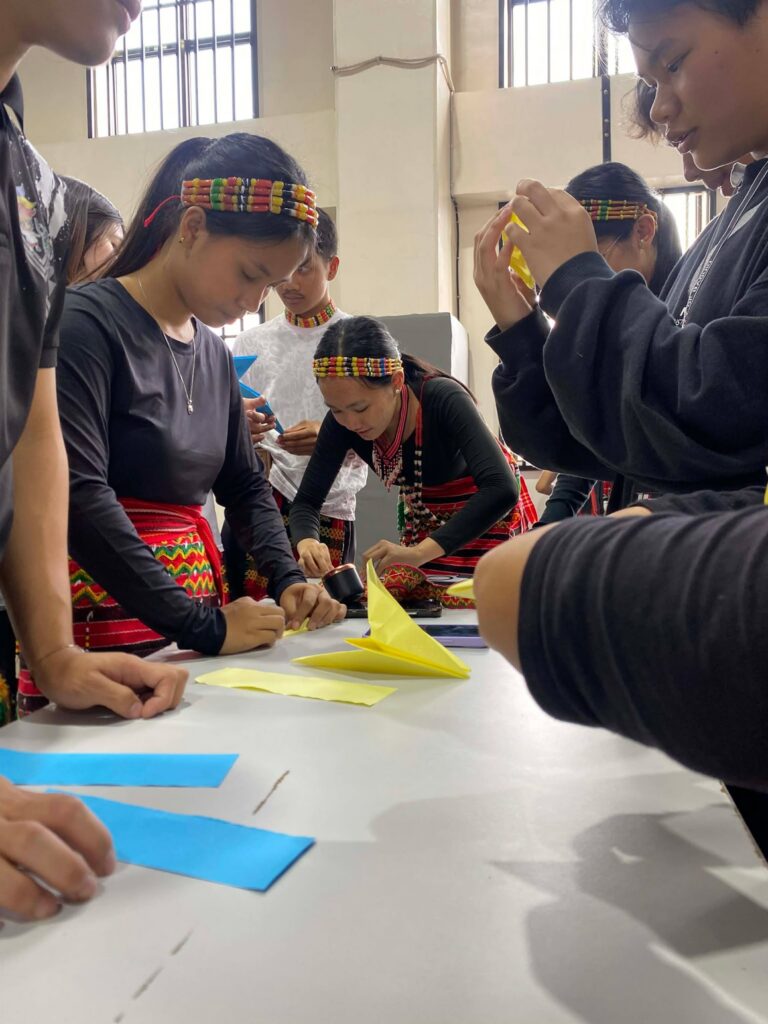
The visitors then shared insights into Japanese cuisine like Ramen, festivals like Gion Matsuri (Kyoto), anime like Haiku, and fashion like Lolita. Their presentation highlighted how traditions are preserved while embracing modern creativity. The discussion on anime and fashion particularly resonated with the students, bridging cultural familiarity with deeper cultural understanding. They also demonstrated the art of crane origami, guiding everyone to fold their own paper cranes, allowing the UBHS students to experience firsthand a traditional Japanese craft while engaging in a hands-on cultural activity.
Such exchanges promote SDG 16: Peace, Justice and Strong Institutions, particularly in fostering peaceful and inclusive societies. By encouraging respect for diversity and intercultural dialogue, the program cultivated tolerance and mutual respect among young learners.
Showcasing Filipino and Cordilleran Heritage
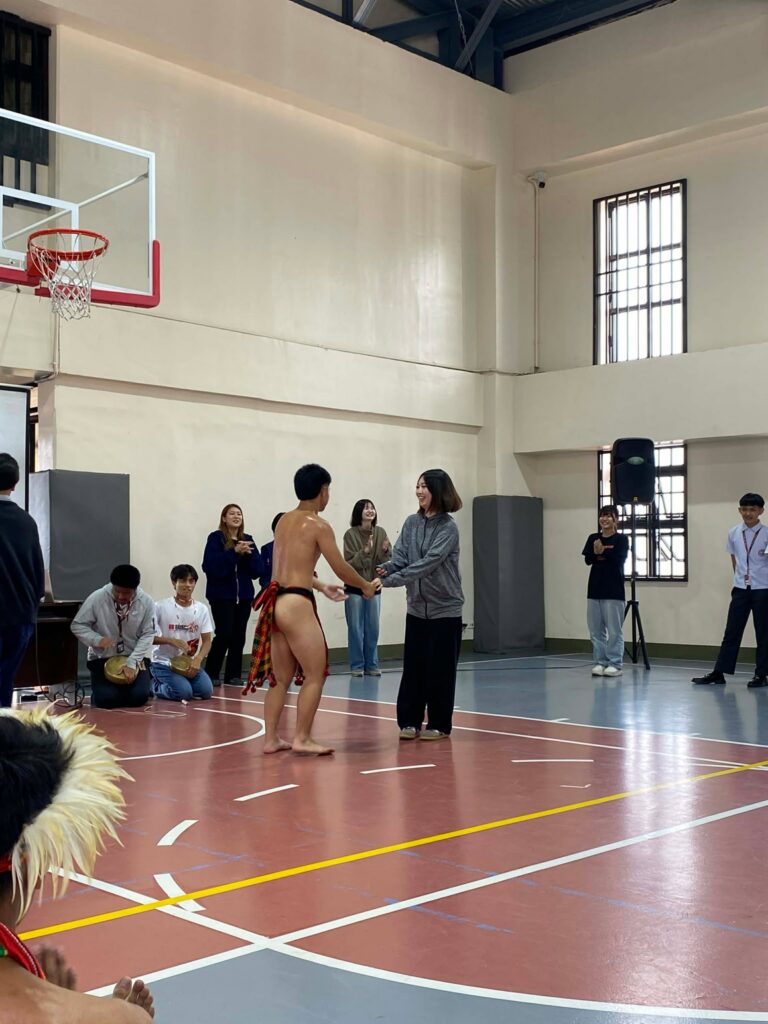
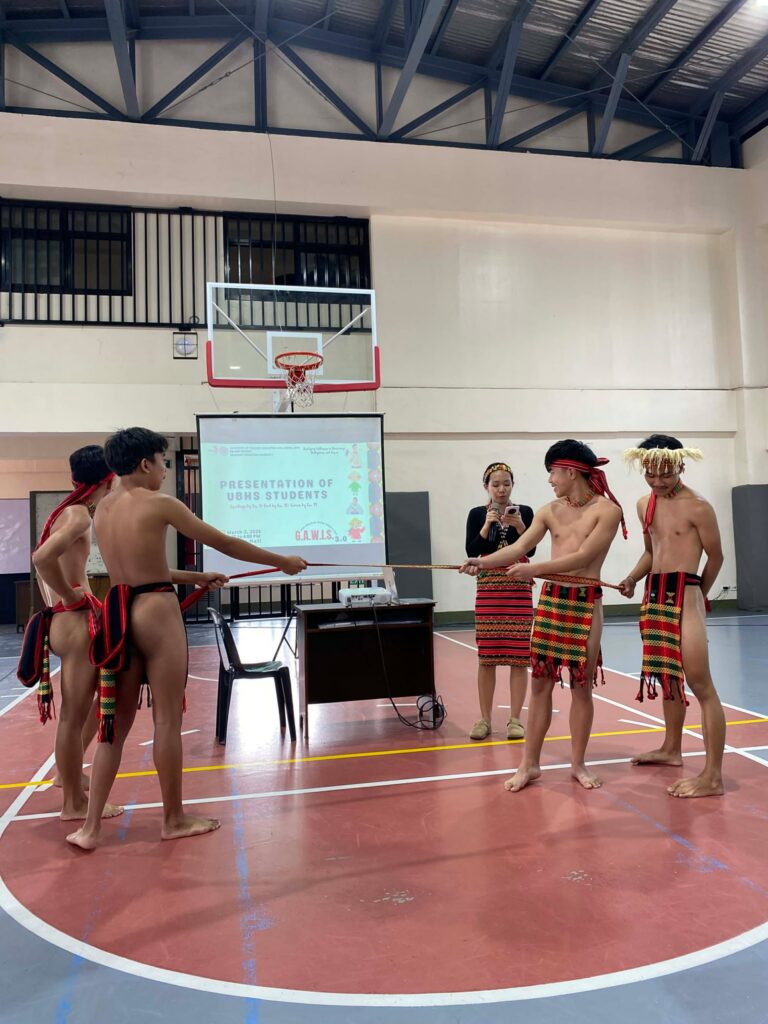
In return, UBHS students proudly showcased Filipino and Cordilleran greetings like “good afternoon” and “see you again”, delicacies such as Turon, Lumpiang Gulay, Bilo-bilo, Palitaw, and Sago’t Gulaman, games like sanggol and guyyudan, and a community dance. They explained the significance of the culture behind each practice, emphasizing indigenous identity and communal values.
The Japanese exchange students were invited to taste Filipino food during the demonstration and later during a communal snack shared with UBHS students. This simple act of sharing meals symbolized unity and hospitality, reinforcing friendship between cultures.
Dancing in Unity
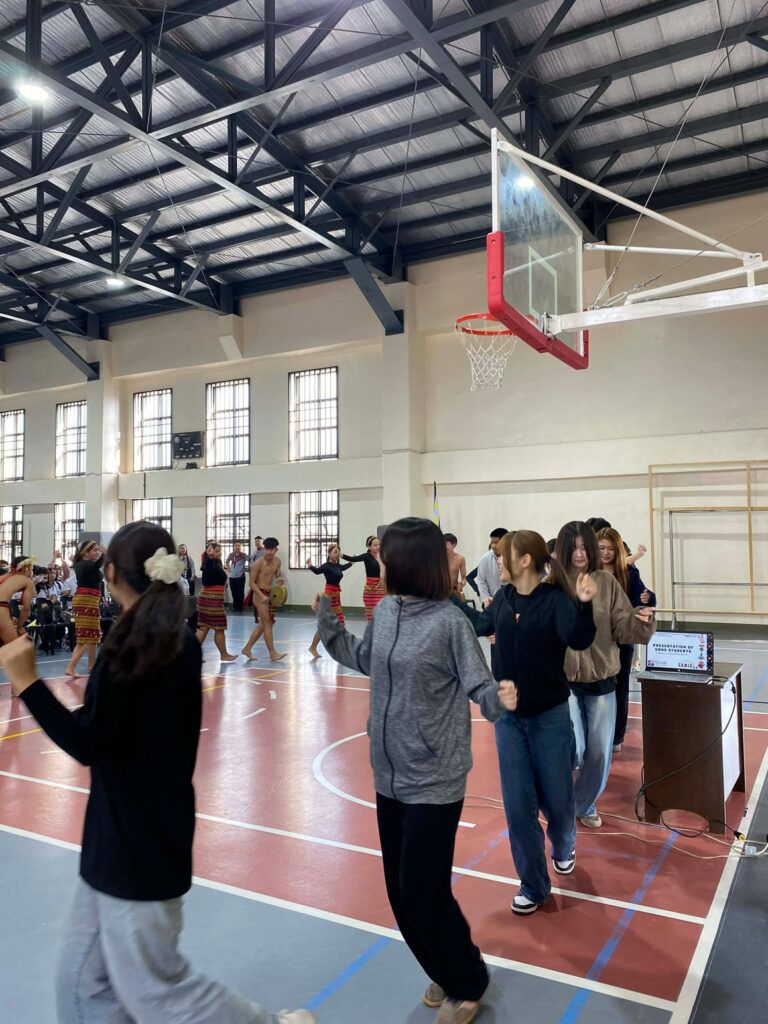
One of the most memorable highlights of G.A.W.I.S. 3 was the Cordilleran community dance. As traditional music filled the venue, UBHS students invited the Japanese student-guests to join. The exchange students enthusiastically followed the rhythm, sharing smiles and laughter with their Filipino peers.
The dance symbolized harmony beyond language and nationality. It demonstrated that cultural differences are not barriers but opportunities for connection. Through participation and openness, students embodied global citizenship and mutual respect.
A Step Toward Global Citizenship
GAWIS 3 proved that cultural immersion extends far beyond presentations—it creates transformative learning experiences. By engaging in greetings, food tasting, games, and dance, Filipino and Japanese students deepened their understanding of one another’s heritage while building genuine friendships.
As the activity concluded, it left lasting impressions on all participants. GAWIS 3 successfully wove indigenous spirit with global partnership, strengthening the bridge between the Philippines and Japan and nurturing a generation of culturally aware, globally connected learners.