
Written by Dannieca Buyayo, Florence Ursua, Voughn Liam Laruan, Jelisa Valdez | Photographed by Florence Ursua and Jelisa Valdez
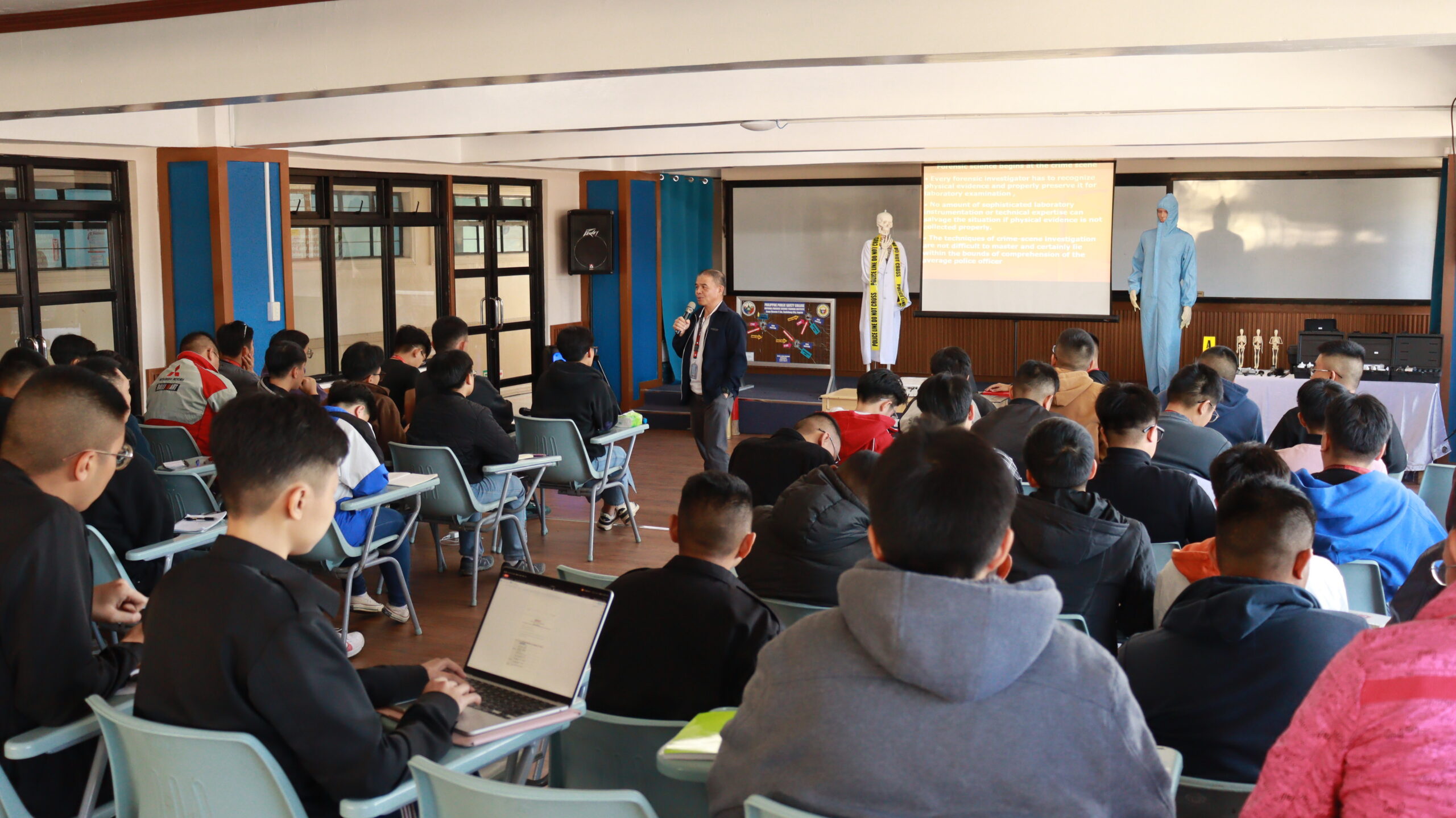
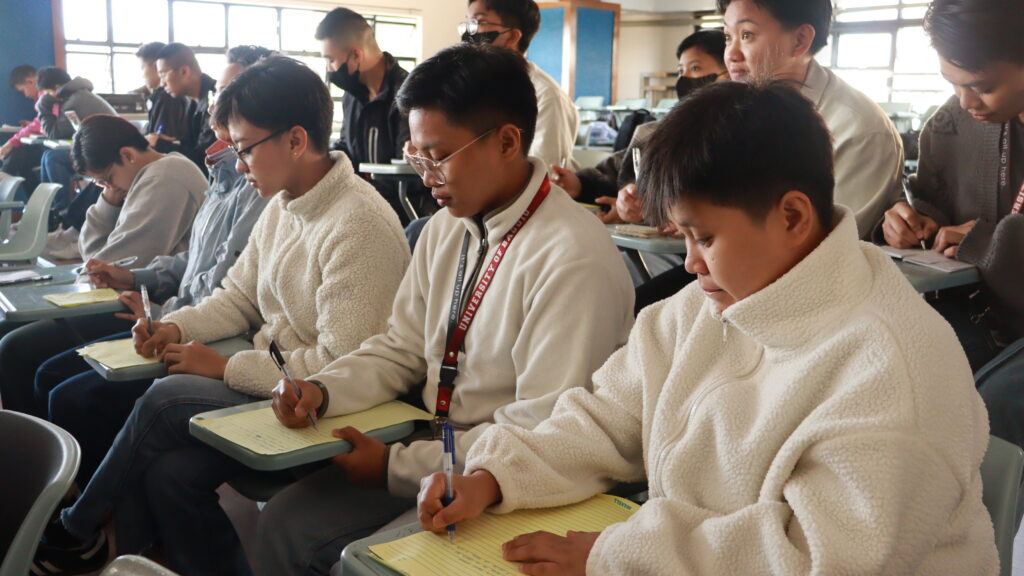
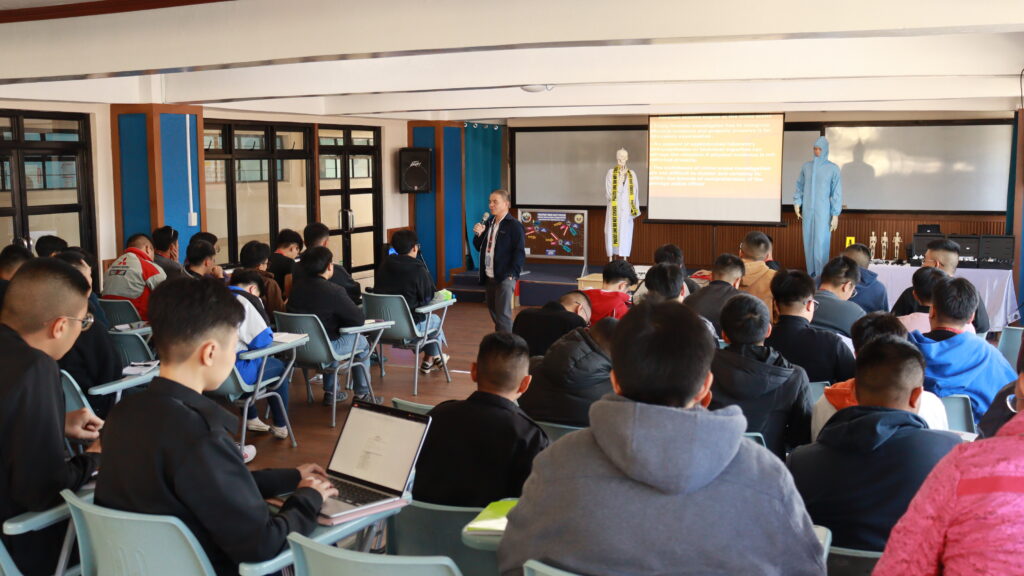
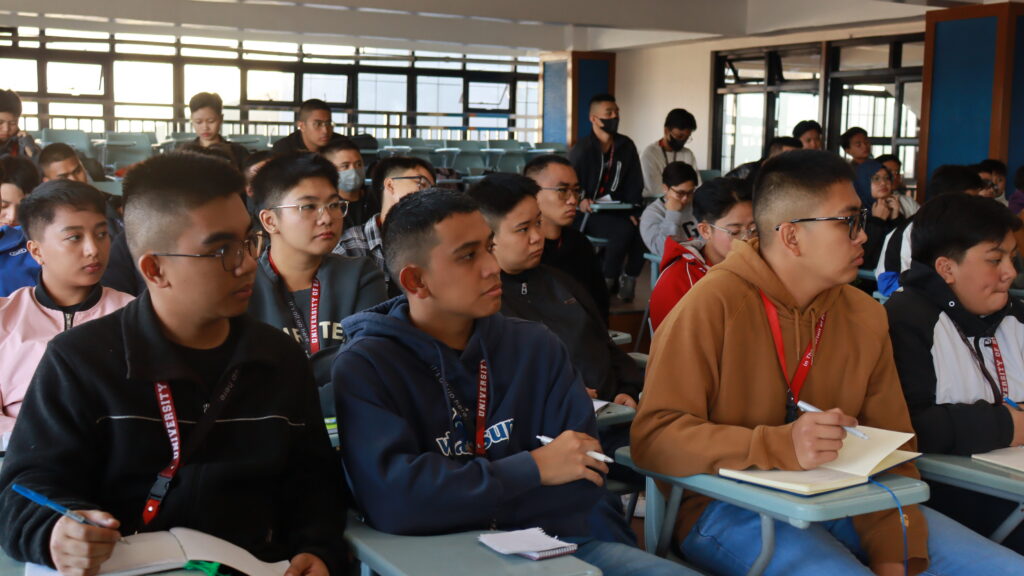
BAGUIO CITY — The Bachelor of Forensic Science interns of Class Maharagsik ’26 participated in Day 1 of the Training in Research, Analysis, and Certification Endeavors ( T.R.A.C.E. ) Program on March 14, 2026, at the AMS Hall of the University of Baguio, focusing on Applied Crime Scene Investigation and Evidence Processing. The training aimed to strengthen the interns’ technical competence and professional readiness by emphasizing the critical procedures involved in crime scene management and the proper handling of forensic evidence.
Designed as an immersive learning experience, the program provided students with a deeper understanding of the systematic processes required in forensic investigations. The training highlighted the importance of accuracy, discipline, and strict adherence to investigative protocols, reminding students that every action taken at a crime scene has a direct impact on the integrity and reliability of evidence used in the pursuit of justice.
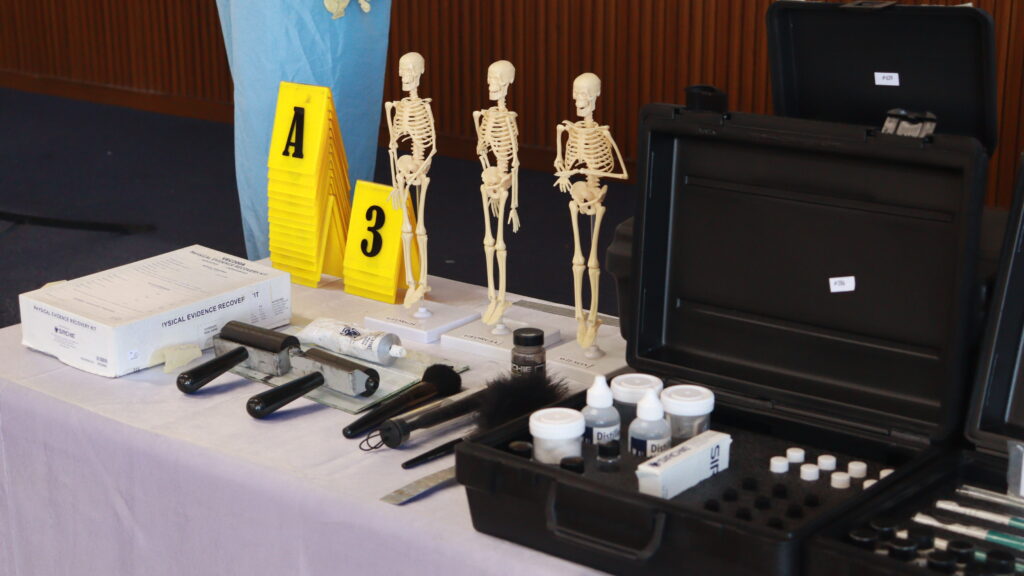
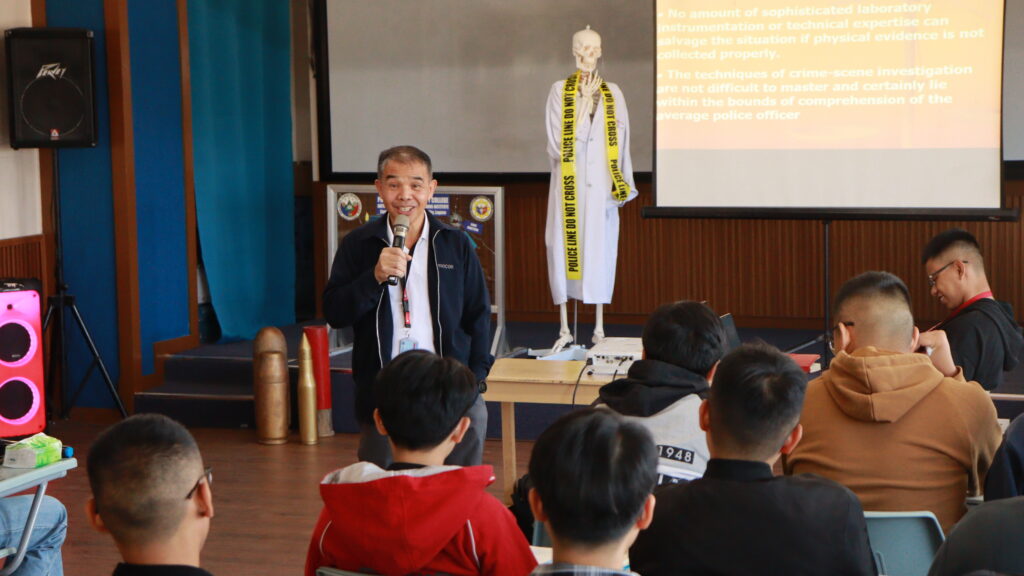
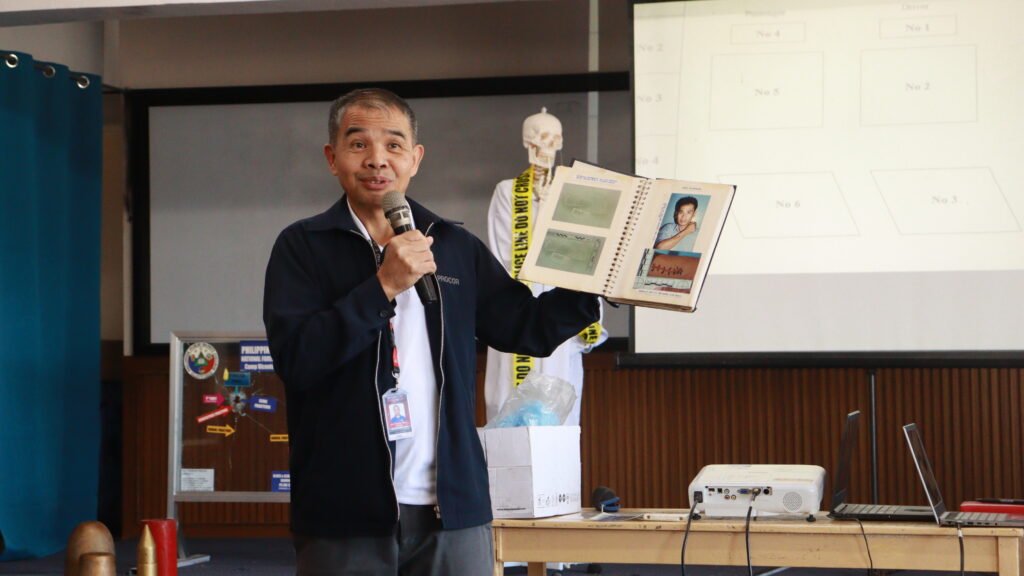
The session was facilitated by Ret. Col. Davy Vicenze M. Limmong, whose extensive experience in investigative work provided valuable professional insight to the interns. Drawing from his years of service in the Philippine National Police, he emphasized the critical role of proper crime scene documentation, evidence collection, and preservation in ensuring accurate investigative outcomes. Through real-life case experiences, he illustrated how discipline and attention to detail are essential qualities for professionals working in forensic science.
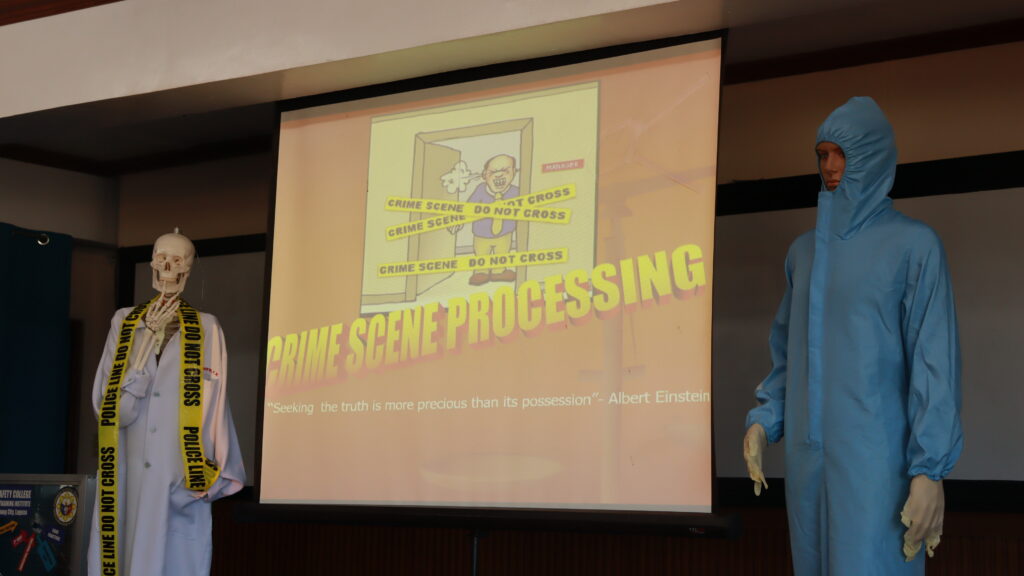
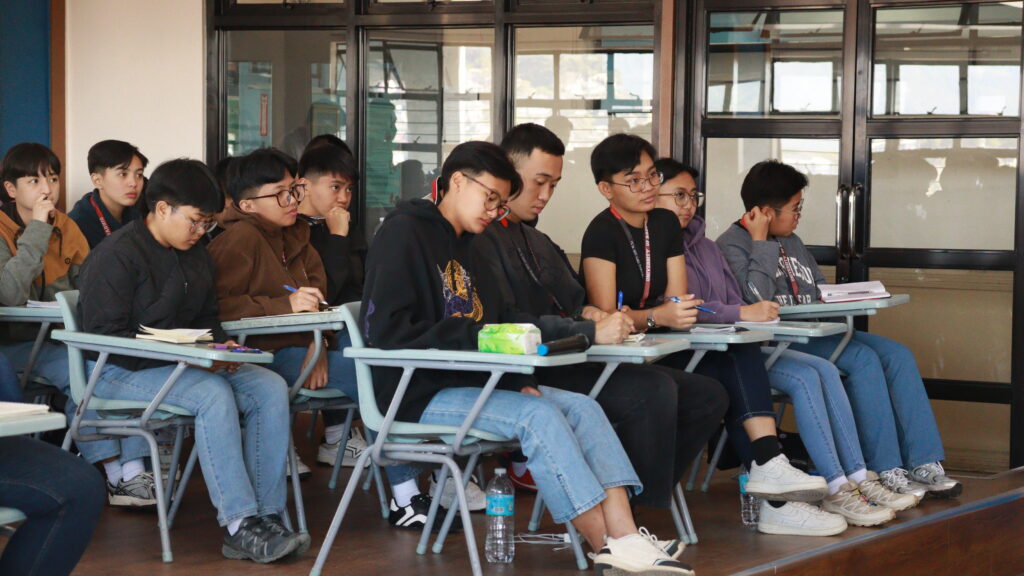
During the morning session, the interns engaged in discussions and guided walkthroughs on the essential procedures in crime scene investigation. The activities focused on scene assessment, documentation, and the systematic process of identifying, collecting, and preserving potential evidence. These discussions allowed students to better understand how forensic principles are applied in real investigative scenarios.
The afternoon session transitioned into practical workshops where interns applied their knowledge through hands-on exercises such as shoe casting and the collection of individual fingerprints. These activities provided an opportunity for students to translate theoretical knowledge into practical skills, reinforcing the importance of precision and careful handling of physical evidence in forensic investigations.
The successful conduct of the training was made possible through the collective support of the School of Criminal Justice and Public Safety under the leadership of Dean Charesma Grace K. Lud-ayen, together with Warren G. Moyao, Program Chair for BS Criminology, Filibert Patrick F. Tad-awan, Program Chair for Bachelor of Forensic Science, and Justin Joseph Almarvez, whose continued guidance ensured that the program remained relevant, structured, and aligned with professional standards in forensic education.
Beyond strengthening technical capabilities, the T.R.A.C.E. Program also reflects the University of Baguio’s commitment to the United Nations Sustainable Development Goals. The initiative supports Sustainable Development Goal 4: Quality Education by providing students with quality, practice-based training that enhances their professional competencies. It also contributes to Sustainable Development Goal 16: Peace, Justice and Strong Institutions, as the program promotes ethical investigative practices and evidence-based approaches essential to fair and transparent justice systems. Furthermore, the collaboration between faculty members, students, and external experts highlights Sustainable Development Goal 17: Partnerships for the Goals, demonstrating how academic institutions and professionals can work together to strengthen education and professional development.
Through the T.R.A.C.E. Program, the Bachelor of Forensic Science interns of Class Maharagsik ’26 continue to build the knowledge, discipline, and investigative mindset necessary for the evolving field of forensic science, preparing them to contribute meaningfully to the advancement of justice and public safety.